Barneo — A Ski Expedition to the North Pole
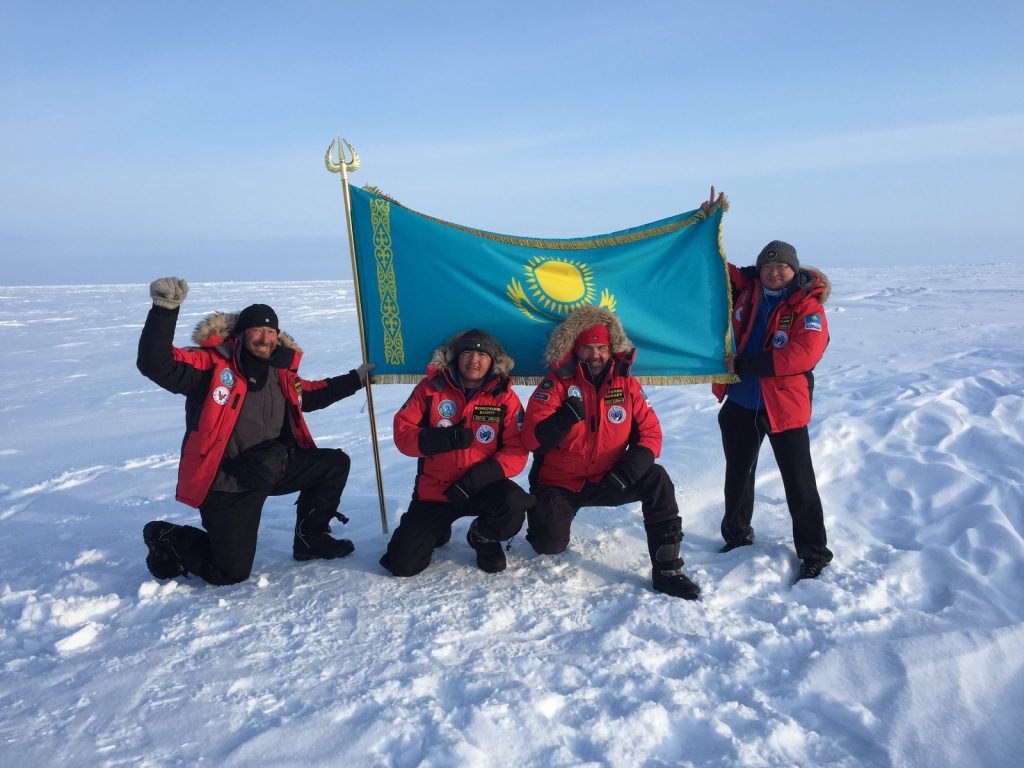
In April 2015, an expedition organised by the Kazakh Geographic Society reached the geographic North Pole via the Barneo ice base. On 14 April, participants raised Kazakhstan’s national flag and the flag of the Assembly of the People of Kazakhstan at 90° north. The project brought together polar travel, teamwork and the international presentation of Kazakhstan.
A Kazakh Expedition into the Arctic
The journey was one of KazGeo’s international expedition projects. It marked the Year of the Assembly of the People of Kazakhstan and supported the country’s bid for a non-permanent seat on the United Nations Security Council for 2017–2018.
The organisers described their wider aim as promoting Kazakhstan internationally through science, culture and humanitarian engagement. A polar expedition gave that ambition a practical expression: a team preparing for and completing a demanding journey, then sharing its experience.
Barneo’s Role in the Journey
Barneo was a seasonal camp and ice airstrip established on drifting sea ice in the Arctic Ocean. It provided a transport and logistical base for expeditions heading towards the pole.
The geographic North Pole lies in the ocean rather than on land. Travel towards it therefore takes place over sea ice, where cracks and pressure ridges complicate the route. Conditions underfoot are an essential part of the challenge.
Barneo was a gateway on the expedition’s route. The ultimate destination was 90° north, the point where all lines of longitude meet.
The Team and Its Preparation
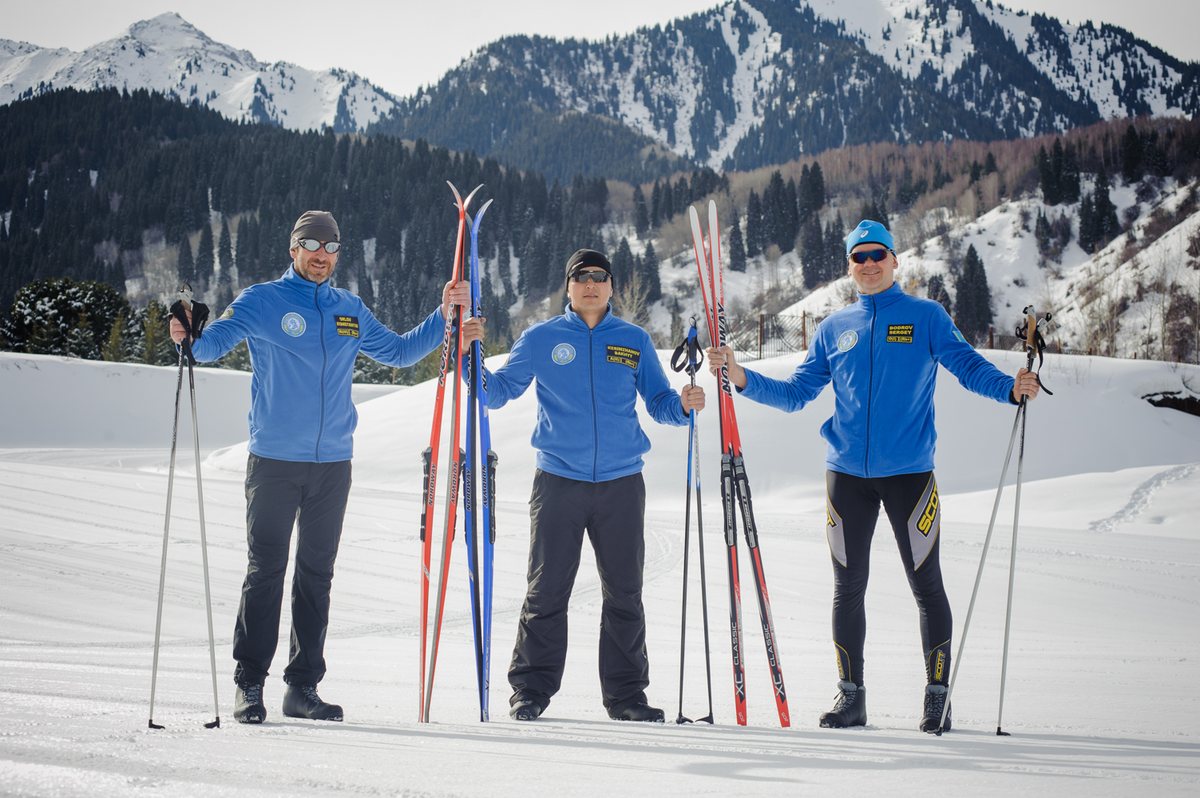
The skiing group comprised Bakhyt Kerimzhanov, Sergey Bodrov and Konstantin Orlov. The official account of the flag-raising also names Nurlan Abduov among the expedition participants at the pole.
Training began in 2014. The skiers practised regularly at a ski and biathlon facility near Talgar, building endurance through extended outings. They also rehearsed roped crossings of simulated cracks, mutual protection and first-aid procedures.
These sessions helped the participants develop shared routines. Understanding one another’s capabilities and agreeing how to respond to difficulties were practical foundations for travelling as a team.
From Almaty to the Polar Ice
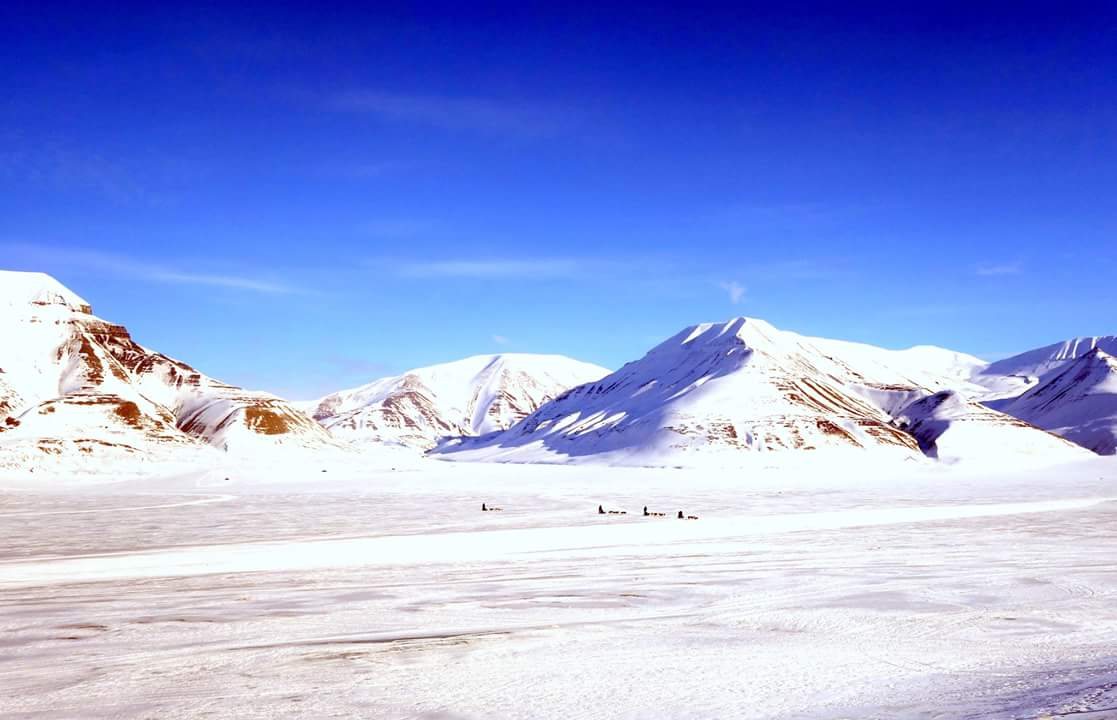
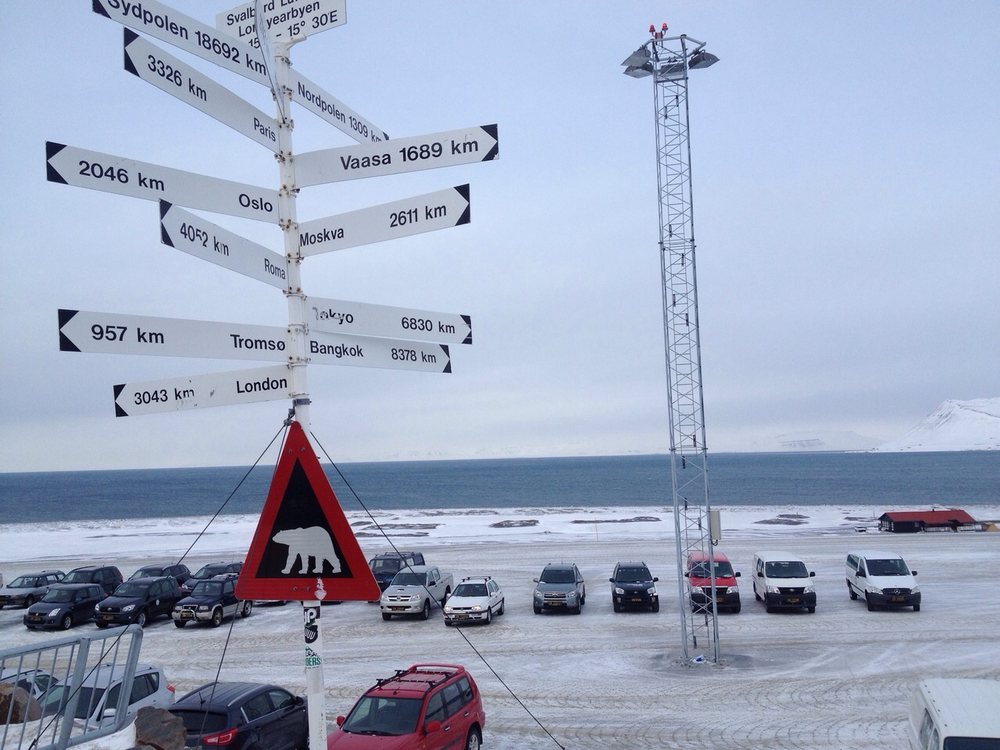
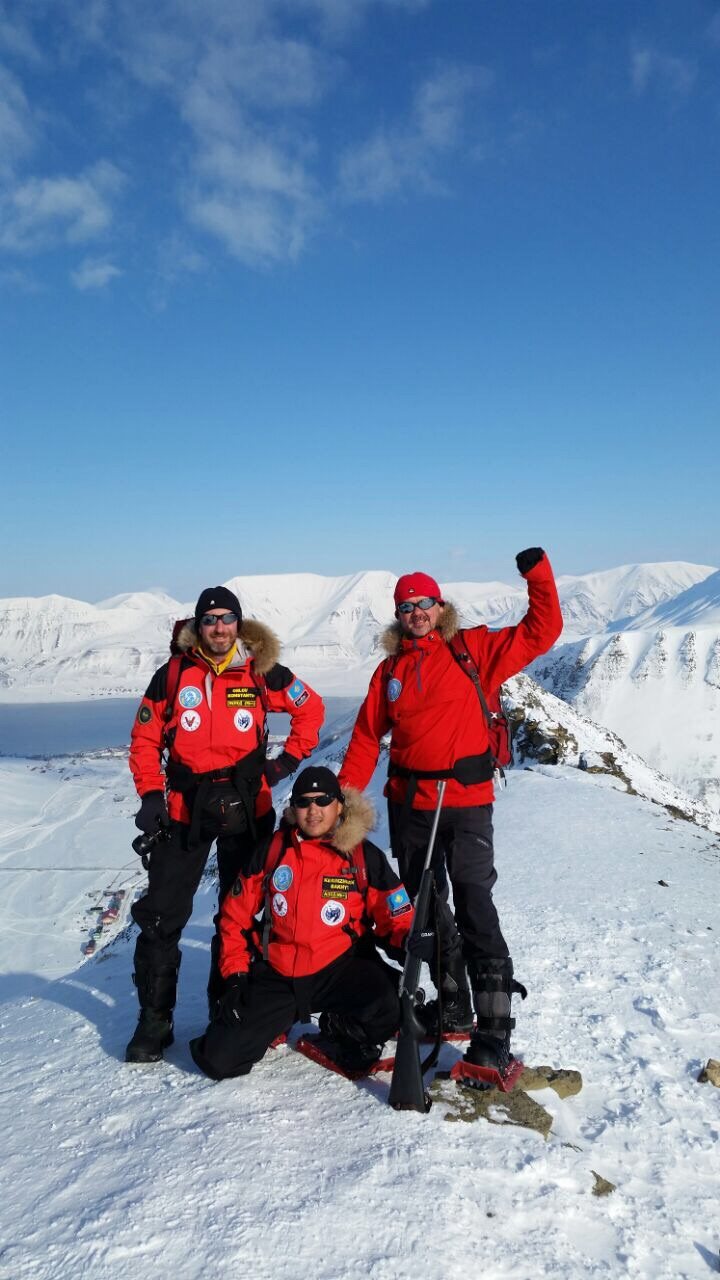
The journey led from Almaty through Oslo to Longyearbyen in the Svalbard archipelago. There, the team checked equipment, completed training outings, practised pitching tents and prepared food supplies.
The next stage took them to Barneo’s ice airstrip, the gateway to the main polar route. Progress on the ice required attention to terrain and to equipment performance in the cold.
KazGeo’s project account notes that freezing conditions caused technical problems. This detail reflects the practical work behind the achievement: reaching a geographical destination depended on managing equipment as well as sustaining physical effort.
Reaching 90° North
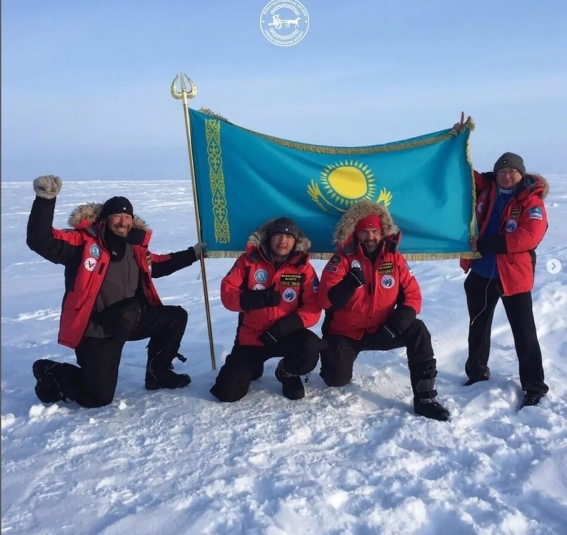
On 14 April 2015, the expedition reached the North Pole and raised the flags of Kazakhstan and the Assembly of the People of Kazakhstan.
The journey also had a cultural conclusion. Back in Longyearbyen, participants invited local residents to try Kazakh food, presented national souvenirs and thanked their hosts.
For the Kazakh Geographic Society, the Barneo expedition connected polar travel with international cultural exchange. Its record preserves both the geographical achievement and the teamwork, preparation and human encounters that made the journey meaningful.