“To Macedonia” — Discovering a Balkan Country
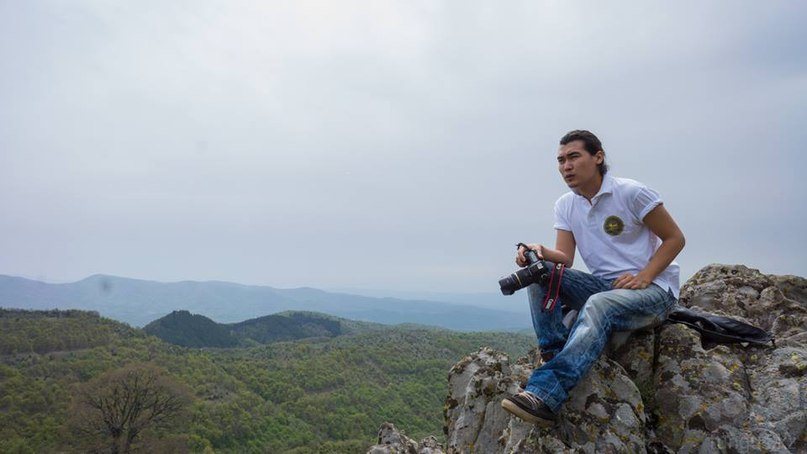
“To Macedonia” was a travel project supported by the Kazakh Geographic Society. KazGeo team members Ruslan Chernykh and Chingiz Tibey produced photographs and personal accounts exploring the country’s historic sites, architecture, food and everyday life. Planned around six days and four cities, the programme introduced audiences in Kazakhstan to a new travel destination.
A country through travellers’ eyes
The project began with a straightforward aim: to discover a country unfamiliar to the participants and share that experience with readers. Throughout the journey, the authors photographed their surroundings, recorded observations and wrote about encounters along the way.
Their two diaries offered different perspectives on the same trip. Some entries focused on historic landmarks, while others captured a conversation or a walk through quieter streets. Together, these individual episodes gradually formed a fuller portrait of the country.
Encountering the past
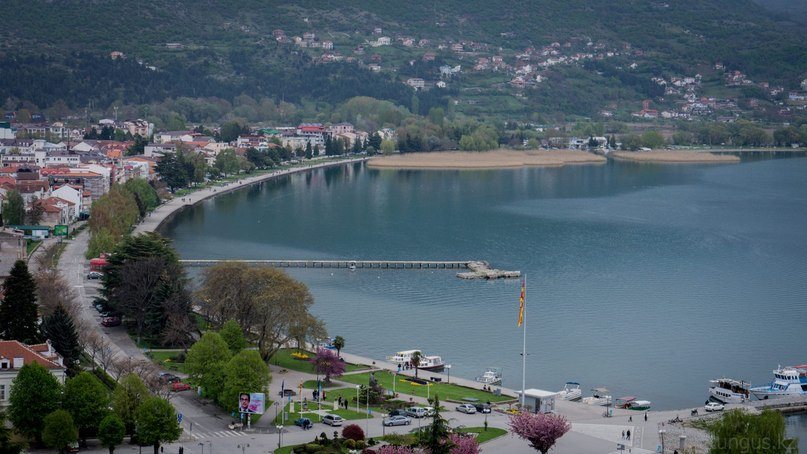
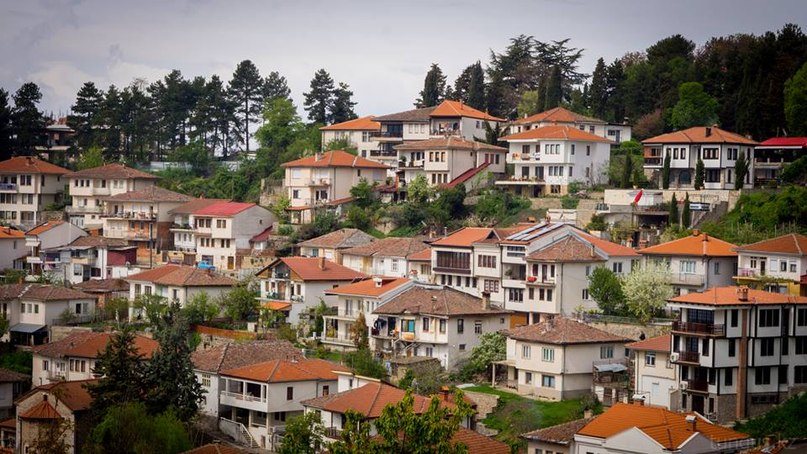
Historical and religious heritage became an important theme. Ruslan Chernykh drew attention to churches, mosques, monasteries and Ohrid’s historic surroundings. These places offered opportunities to explore different aspects of the country’s cultural heritage.
The team also visited the ancient city of Stobi. Walking among its surviving structures prompted reflections on the lives of people from earlier centuries. Such encounters give a historical journey depth: the remains of a city encourage visitors to imagine those who built it, worked there and called it home.
Food and personal connections
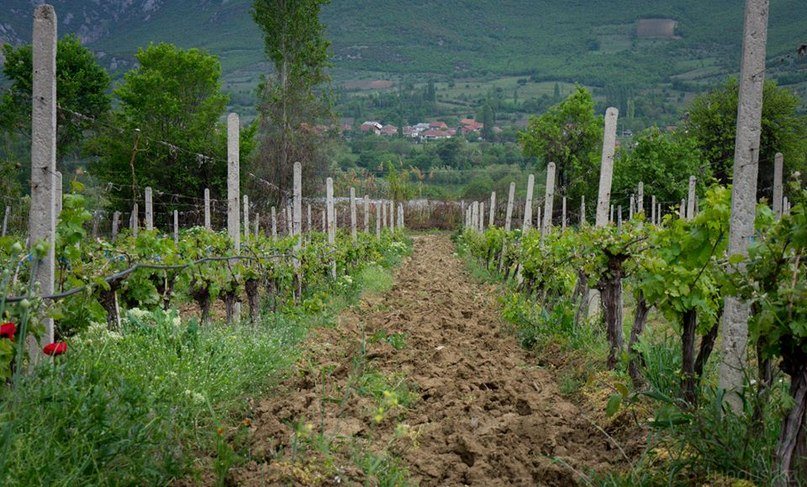
The travellers continued their introduction to the country around the dining table. One diary entry describes a meal at a farm, including homemade dishes, cheese and vegetables. This experience added a glimpse of rural hospitality to the account of historic places.
A particularly memorable encounter involved Chingiz Tibey and a local pianist. After learning that his visitors came from Kazakhstan, the musician performed several improvisations, including a Kazakh melody. The moment illustrated how music can create an immediate connection between people meeting for the first time.
Looking closely at everyday life
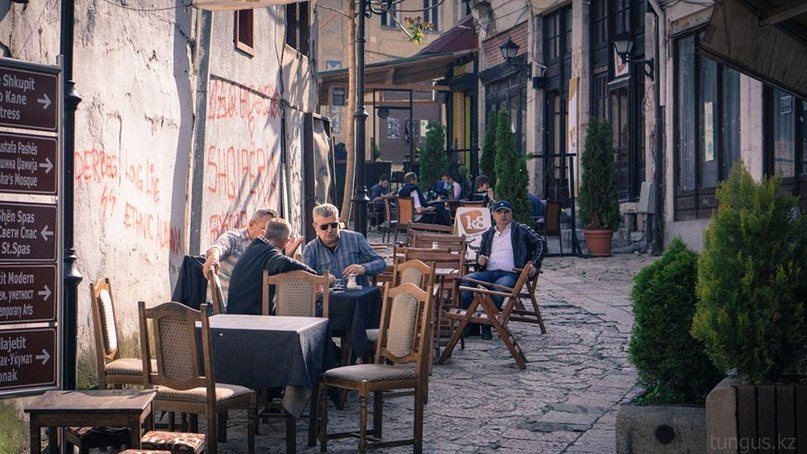
In his notes, Chernykh explained his interest in walking beyond tourist centres. These walks offered a chance to observe ordinary city life, sense its pace and notice details that a busy sightseeing schedule might overlook.
That attention shaped the project’s storytelling. Personal impressions, everyday scenes and unexpected encounters gave readers a sense of how the travellers’ understanding developed throughout their stay.
The journey resulted in photo galleries and a series of travel reports. With the support of the Kazakh Geographic Society, these materials preserved an introduction to the Balkans through particular places, people and experiences, making the journey accessible to a wider audience.