Climbing Kilimanjaro — Reaching Africa’s Highest Point
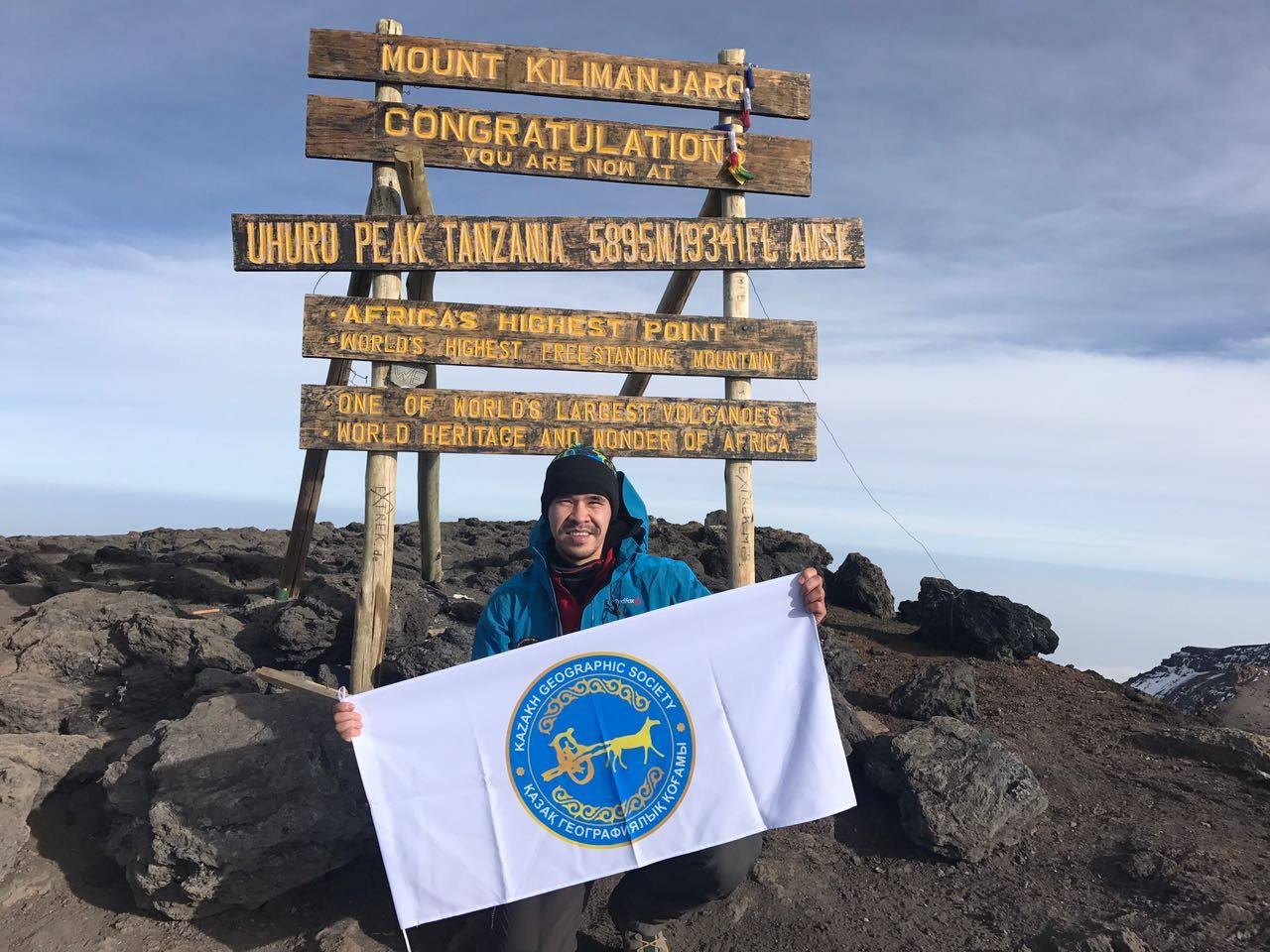
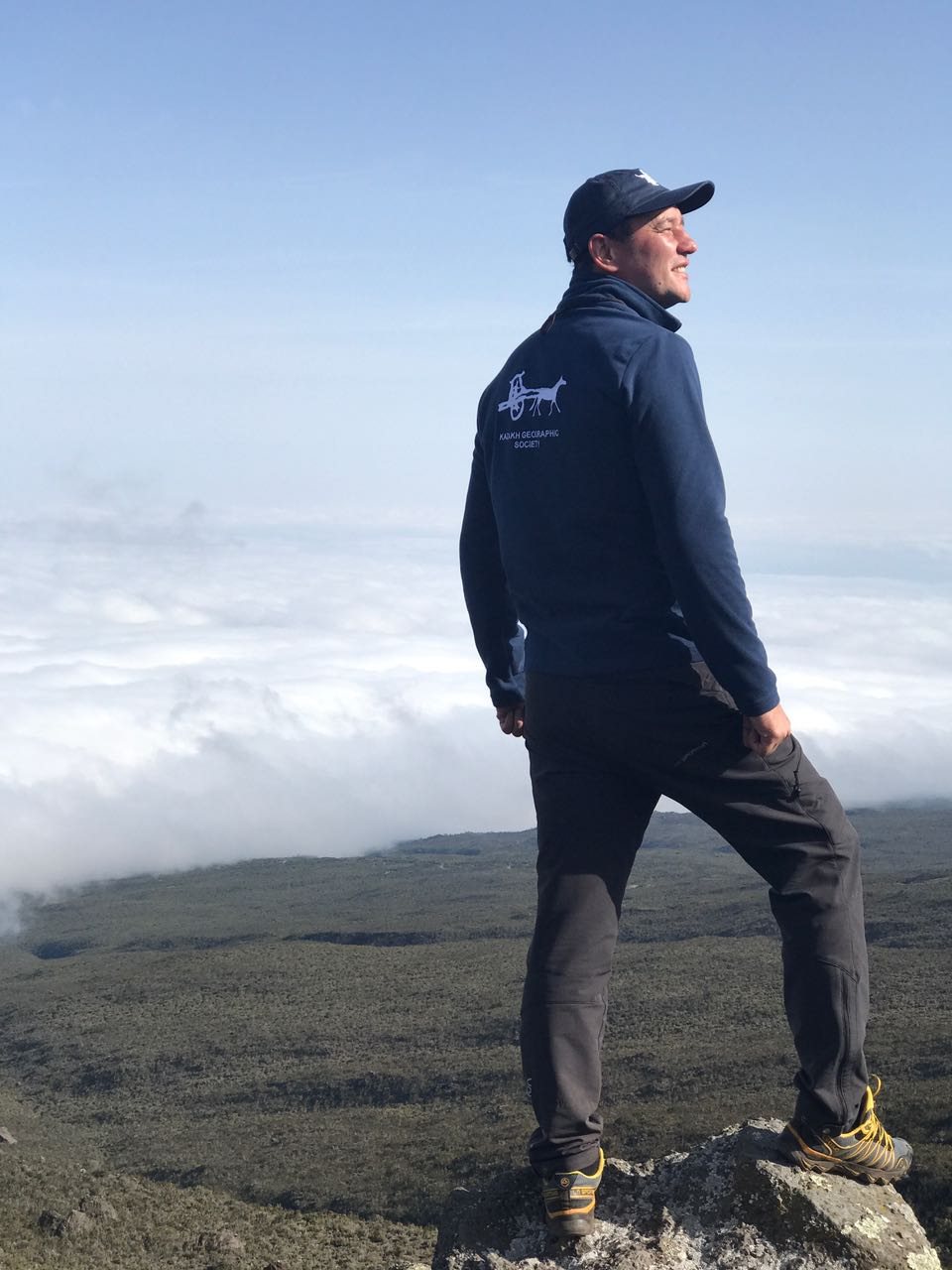
In July 2017, a group supported by the Kazakh Geographic Society climbed Mount Kilimanjaro. Led by Magzhan Sagimbayev, the expedition aimed to reach Uhuru Peak, Africa’s highest point at 5,895 metres above sea level. The journey combined a mountain challenge with an introduction to Tanzania’s natural landscapes.
A team with a shared ambition
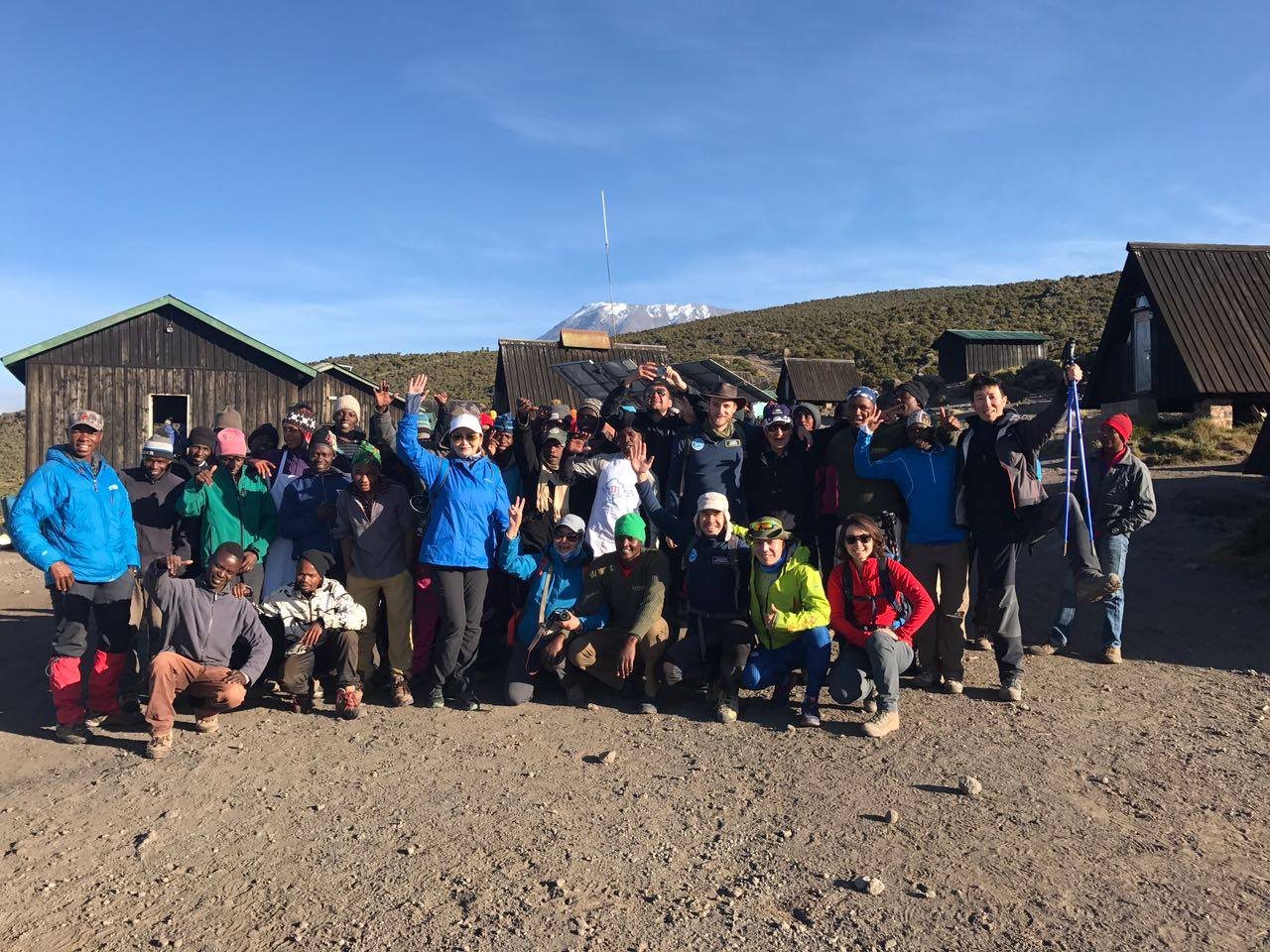
The idea of climbing Kilimanjaro became a reality through preparation and a shared interest in adventure. The participants wanted to discover a new continent and experience a high mountain environment. For many, it was their first attempt at such an altitude.
A journey of this kind requires awareness of both individual capabilities and the needs of the group. Maintaining a steady pace, completing each stage and looking after fellow travellers are part of the experience. A personal ambition becomes connected to shared responsibility.
Kilimanjaro’s natural setting
Kilimanjaro stands in Tanzania within the national park bearing its name, a UNESCO World Heritage Site. The mountain is one of Africa’s most recognisable natural landmarks.
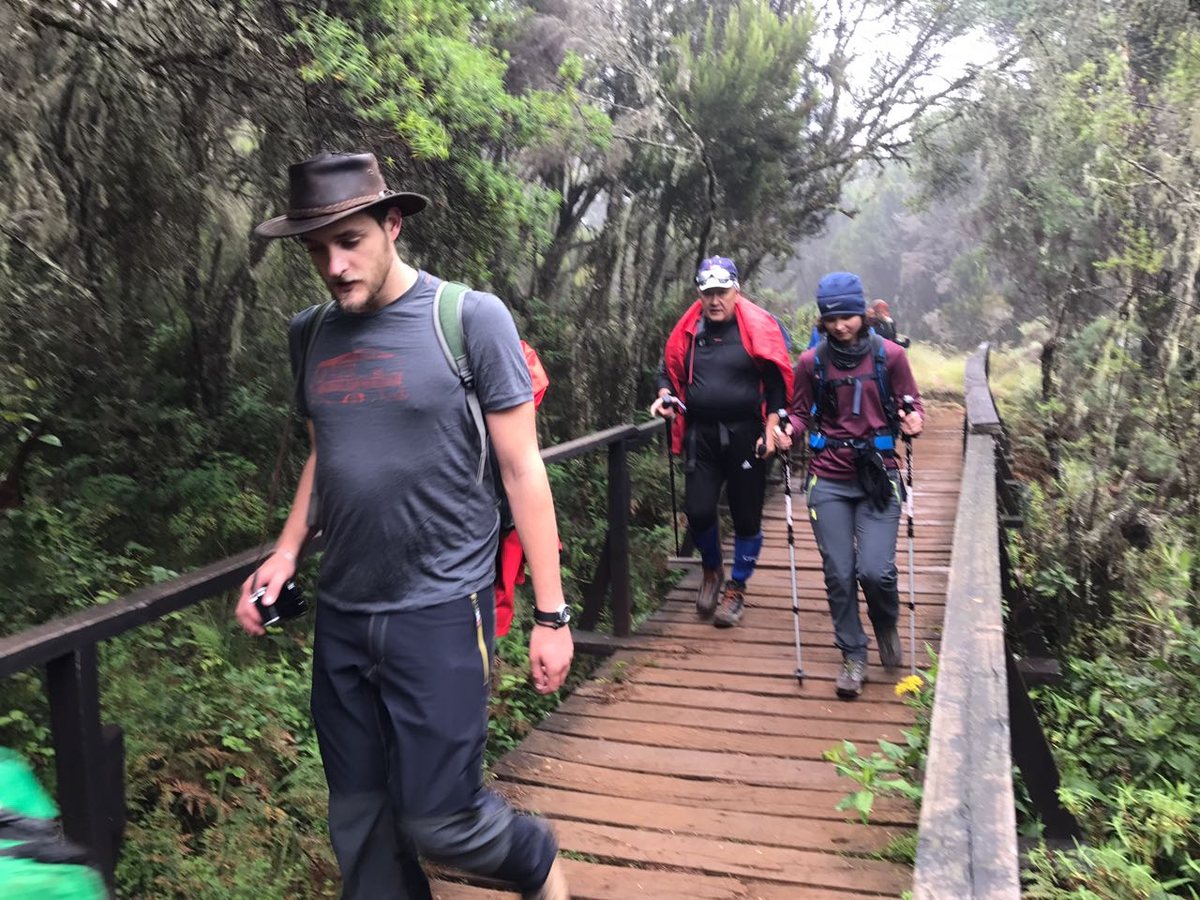
Its landscapes change with elevation. Forest gives way to open highland terrain, followed by sparsely vegetated areas and volcanic landscapes. Observing these transitions offers a direct understanding of how altitude and climate shape the natural environment.
This gives a Kilimanjaro journey an educational dimension alongside its physical challenge. Different ecological zones can be encountered on a single mountain, broadening a visitor’s understanding of the African continent.
The journey to the summit
The group followed the Marangu route through Mandara, Horombo and Kibo. KazGeo’s route account records 7 July as the day of the summit ascent.
According to Sagimbayev’s retrospective account, eleven participants reached Uhuru Peak. The flags of Kazakhstan and the Kazakh Geographic Society were raised at the summit. Their arrival represented the combined result of preparation, sustained effort and support within the team.
Following the climb, the group continued with a safari in Tanzania. They visited the Ngorongoro Crater and experienced a different side of the country’s natural environment. This change of landscape added another dimension to the mountain journey.
For the Kazakh Geographic Society, the Kilimanjaro expedition brought a sporting objective together with geographical discovery. Its story encompasses the participants’ experience, friendships formed along the route and a curiosity about the world that continued after their return.