Aconcagua — Reaching South America’s Highest Summit
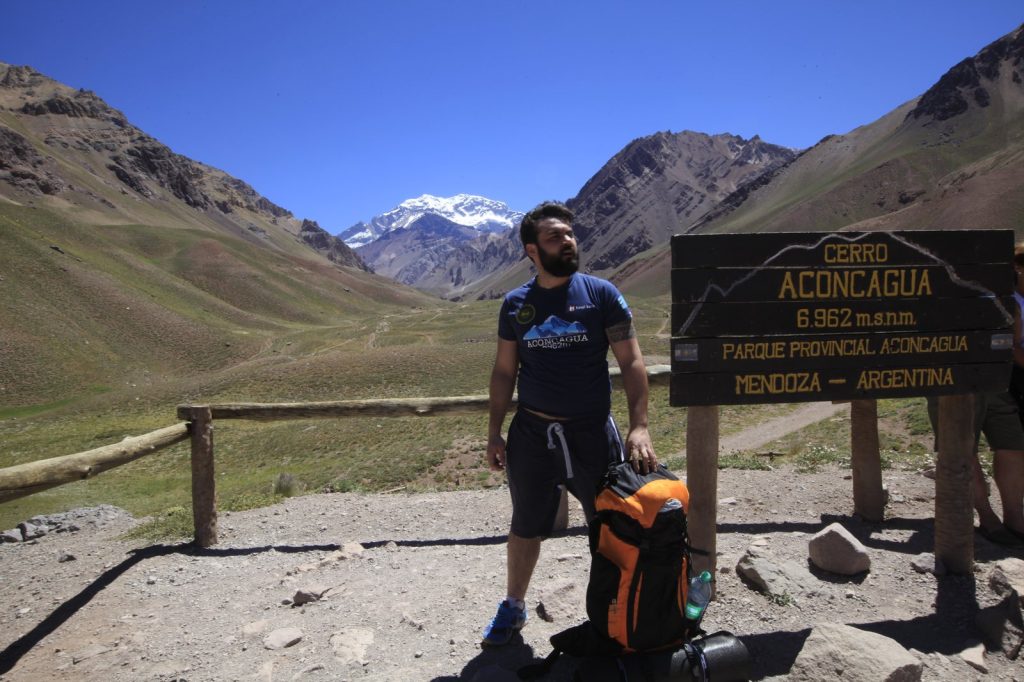
In 2016, Maksut Zhumayev and Magzhan Sagimbayev reached the summit of Aconcagua with the support of the Kazakh Geographical Society. The expedition combined a mountaineering challenge with a social purpose: it was dedicated to Asian Games champion Yevgeniy Lyovkin. Its story brings together preparation, trust between teammates and solidarity with someone facing a difficult recovery.
A Kazakh Team in the Andes
Located in Argentina’s Andes, Aconcagua is the highest mountain in South America and in both the Western and Southern Hemispheres. Expedition materials record its elevation as 6,962 metres above sea level.
The team brought together experienced mountaineer Maksut Zhumayev and traveller Magzhan Sagimbayev, who had previously completed a solo round-the-world cycling journey. For Magzhan, Aconcagua represented his first major high-altitude climb. Working alongside Maksut provided an opportunity to learn through the practical decisions and responsibilities of an expedition.
Preparing for the Ascent
Before travelling to Argentina, the participants trained in the mountains near Almaty, including the Left Talgar area. They departed on 15 February 2016 and travelled through Mendoza before beginning the mountain stage of their journey.
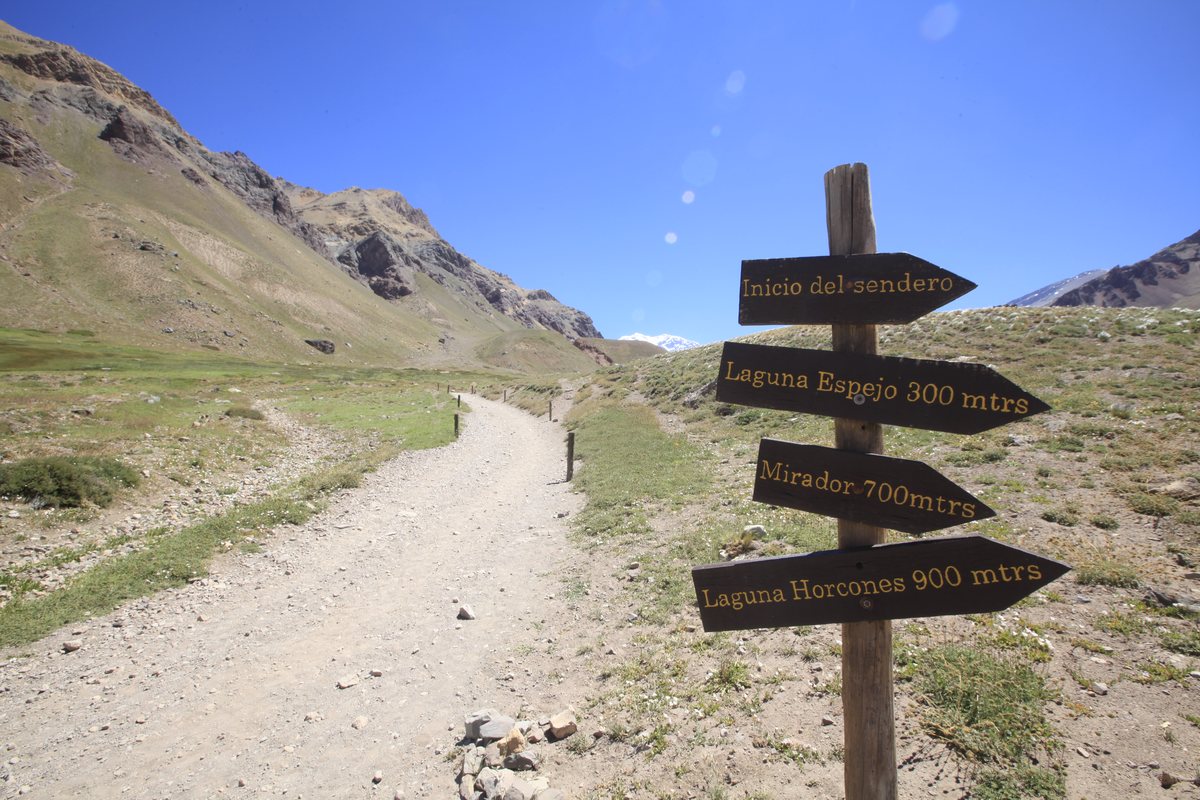
Their route included the Plaza de Mulas base camp and higher camps. Acclimatisation outings, overnight stays at altitude and periods of rest preceded the final summit attempt. The expedition diary records these stages as a gradual process rather than a single uninterrupted climb.
Daily progress involved moving between camps, recovering and preparing for the next ascent. These less visible parts of the journey gave the summit achievement its foundation. The team also needed to remain flexible as conditions changed.
Weather and Decision-Making
Strong winds and an approaching storm disrupted the schedule. Expedition reports describe tents being torn loose during the night and the team returning to base camp.
The climbers reviewed forecasts and waited for conditions to improve. Although their adaptation to altitude was progressing well, the weather remained a separate constraint. This part of the expedition illustrates the importance of patience and judgement: being ready to climb did not automatically mean that it was the right moment to continue.
Reaching the Summit
On 29 February 2016, Maksut and Magzhan reached Aconcagua’s summit. The final ascent began at night and took approximately 11 hours. Cold, wind and fatigue accompanied the climb to South America’s highest point.
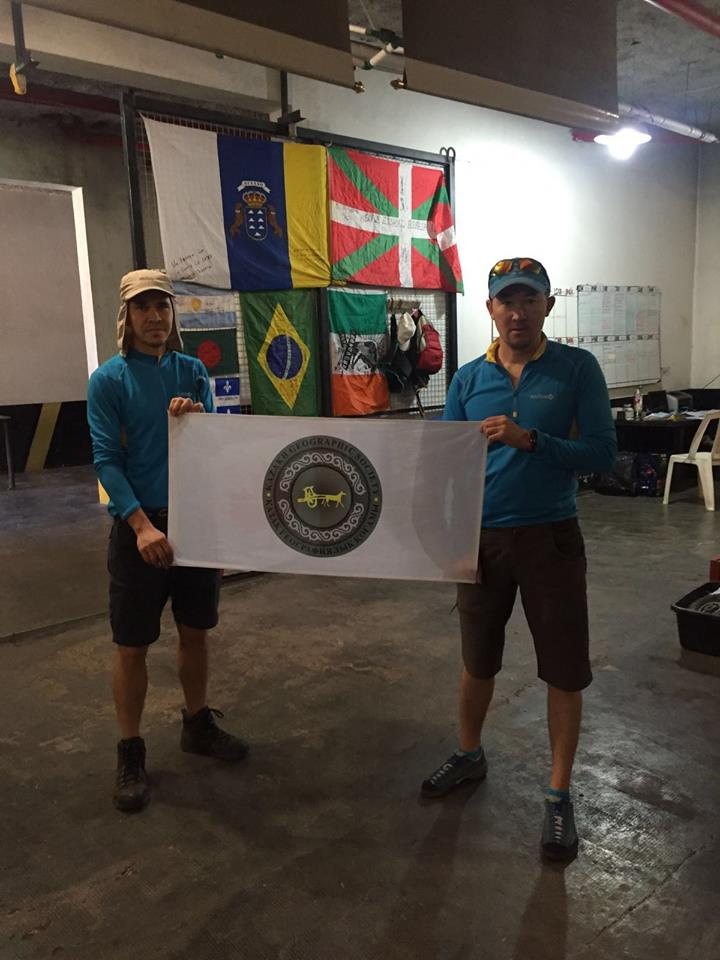
The team raised the flags of Kazakhstan and KazGeo on the summit. For Magzhan, it marked the culmination of a new mountaineering experience; for both participants, it was a shared achievement. Reaching the top was followed by the demanding task of descending and returning to camp.
An Expedition Dedicated to Yevgeniy Lyovkin
The climb honoured Yevgeniy Lyovkin, the 2011 Asian Games ski jumping champion, whose recovery following a serious road accident inspired the expedition’s social mission. The team dedicated its achievement to his perseverance.
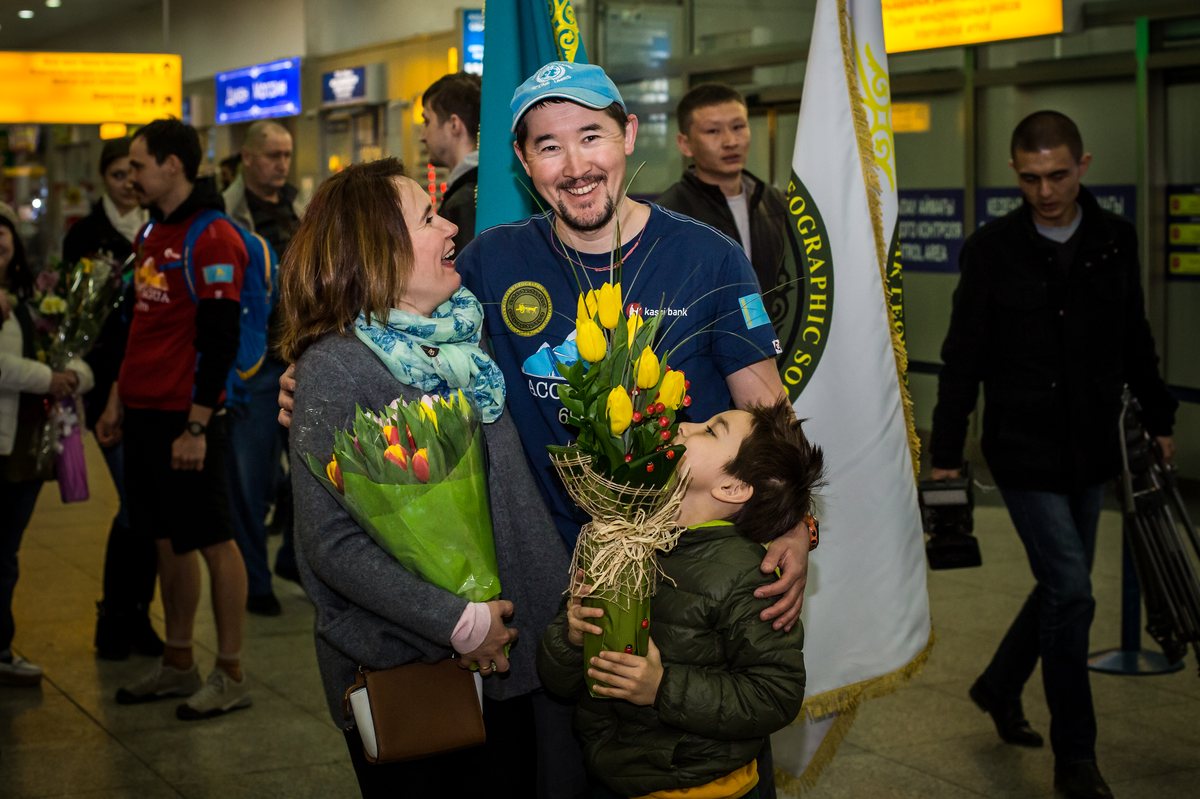
At the concluding press conference on 7 March 2016, participants discussed the ascent, the development of mountaineering in Kazakhstan and opportunities to encourage young people to lead active lives.
For KazGeo, Aconcagua linked an expedition achievement with a public message of support. Its significance lies both in the summit reached and in the human story the team chose to bring to a wider audience.